Speed Won't
Save Them
TWELVE SUNDAYS. ONE SPECIES.
THE UK'S RUN FOR THE CHEETAH.
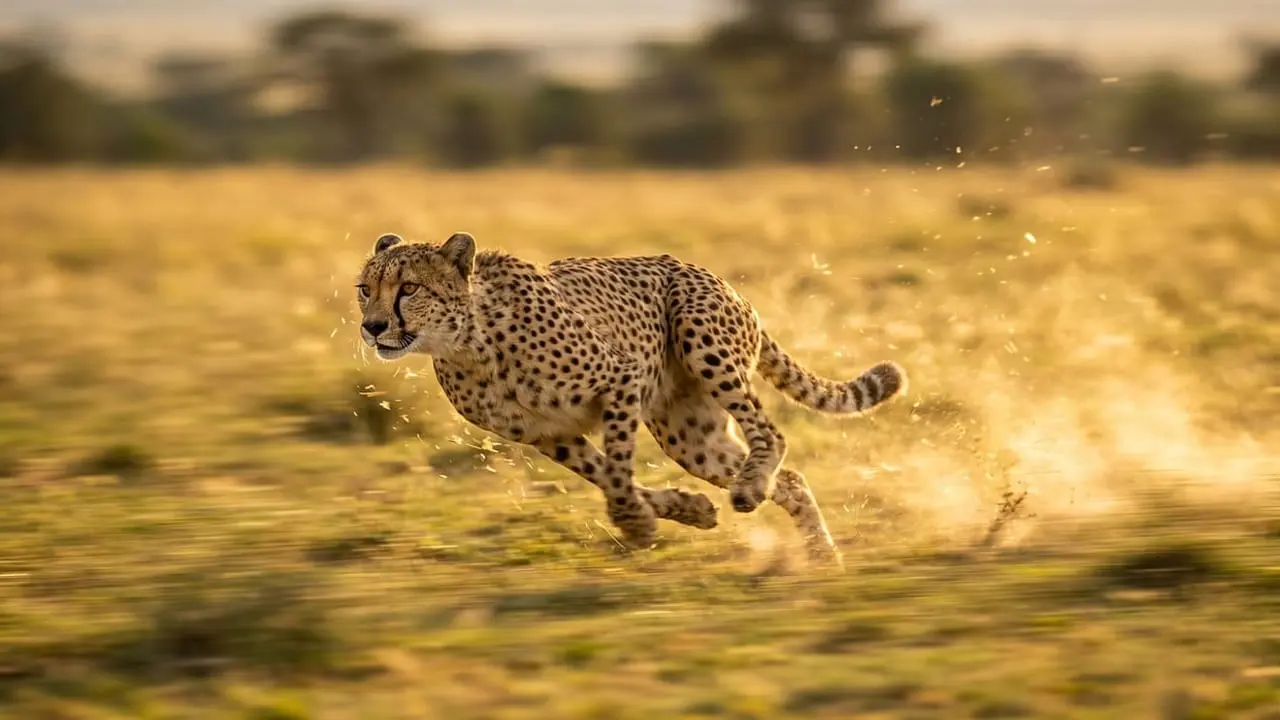
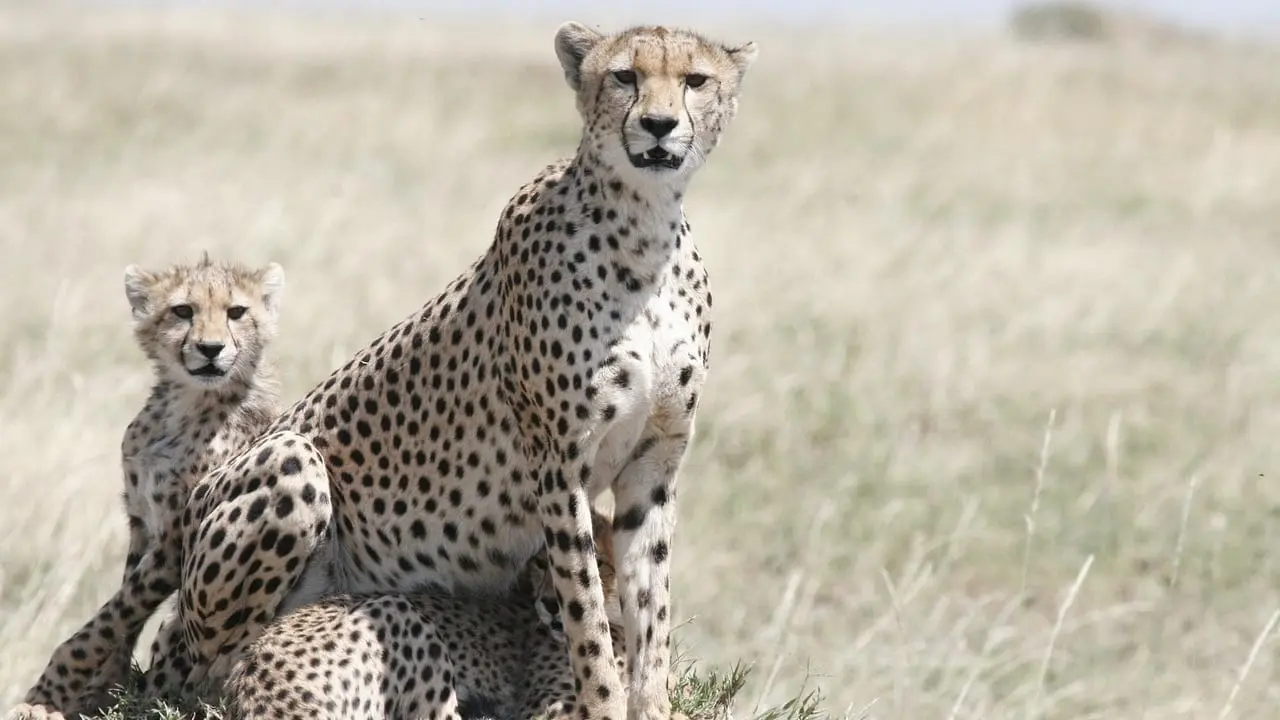
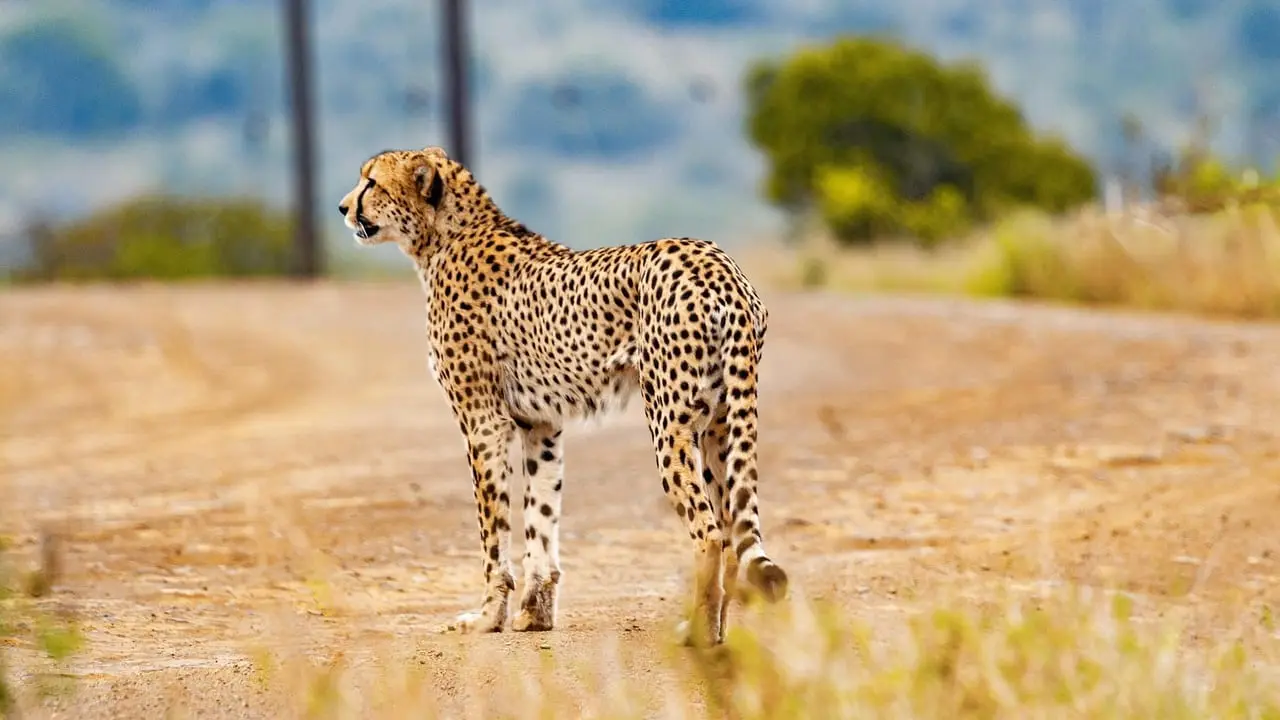
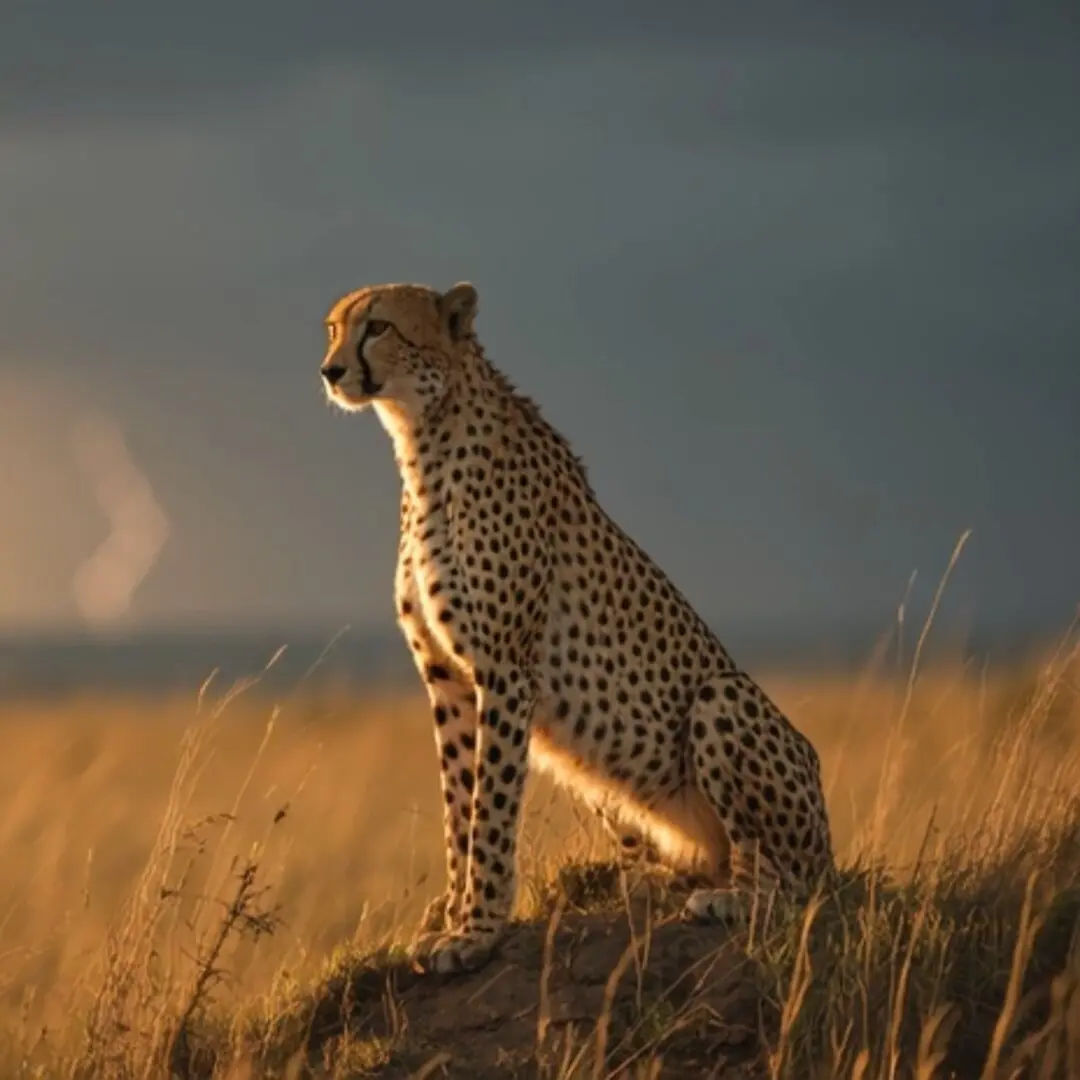
Nought to sixty in three seconds. Seven metres a stride. And still losing ground: gone from 91% of the land it once ran, with about 7,000 left in the wild. Everything a cheetah can't outrun is human. So is everything that can save it. From April we're asking for more feet on the start line, more land kept open and more guardians on the ground. Because speed won't save them. Numbers will.
Come and run with them.
Strength in numbers
Historic range
lost
Zimbabwe
in 16 years
Losses with a
guardian dog
Counting down
* Durant et al., PNAS 2017; the IUCN Red List (2021) counts around 6,500 mature adults ** All in Iran; recent counts put it nearer 30 *** Cubs taken from the Horn of Africa for the pet trade; most die within months (Cheetah Conservation Fund)

Outrun Extinction 2027
Get on the
start line
From April, twelve Sunday mornings across the UK host a 5K and a 10K for the cheetah, a Cub Dash for under-twelves, and a hundred metres of light doing sixty miles an hour for anyone who fancies racing it. Your entry pays for the morning. What you raise pays for the people keeping cheetahs alive on the ground.
Click 'Register now', pick your city and your distance, and we'll send your number, your fundraising page and a training plan built around the date.
Where yourmiles go
Cheetahs don't die of slowness. They die of shrinking land, of farmers protecting their herds and of a pet trade that empties the Horn of Africa of cubs. Every pound you raise pays for the four things that turn that around.
Guardian dogs
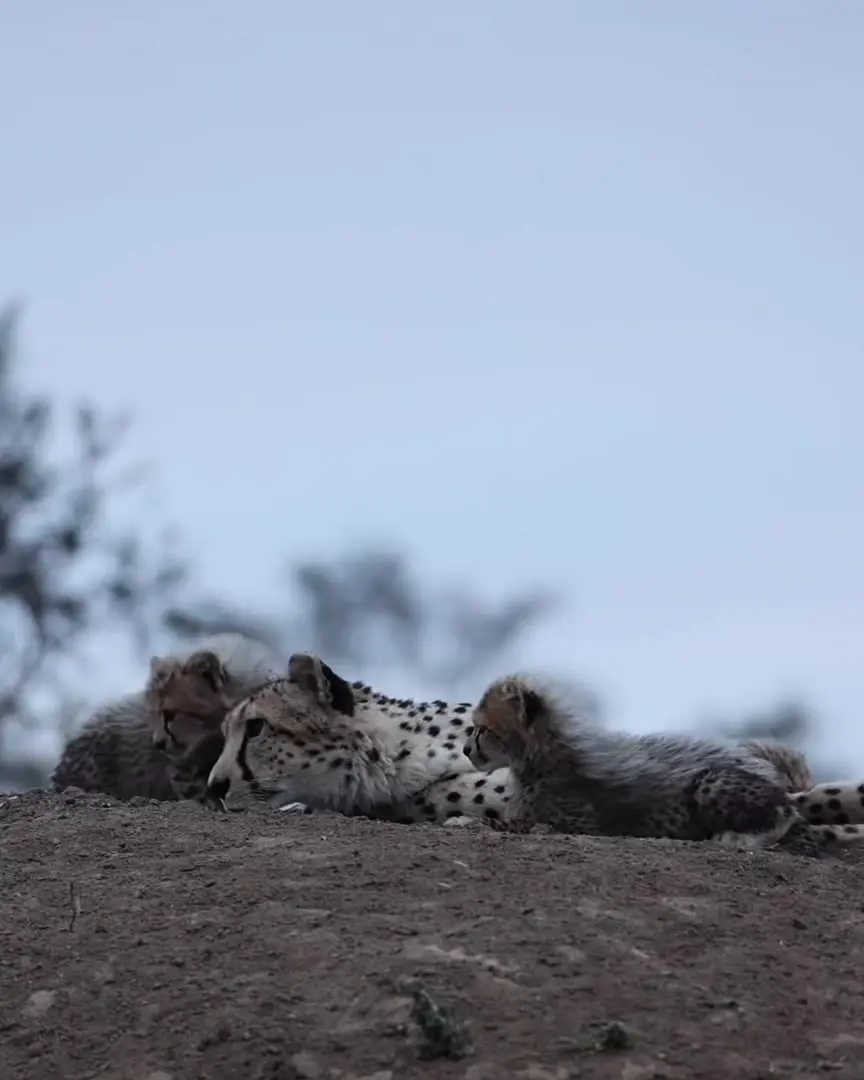
An Anatolian shepherd raised with the herd cuts livestock losses by 80% or more. When the goats stop dying, the cheetahs stop being shot. One dog protects one farm for a decade.
GPS collars
A collar turns a rumour into a route. It shows which farms a cheetah crosses, where she raises her cubs and where the next corridor has to be, so land is protected where cheetahs actually go.
Community scouts
Local people, trained and paid, who count cheetahs, settle disputes over lost goats and raise the alarm when a cub goes missing. 77% of cheetah range lies outside any park. The scouts are the park.
The cub safe house
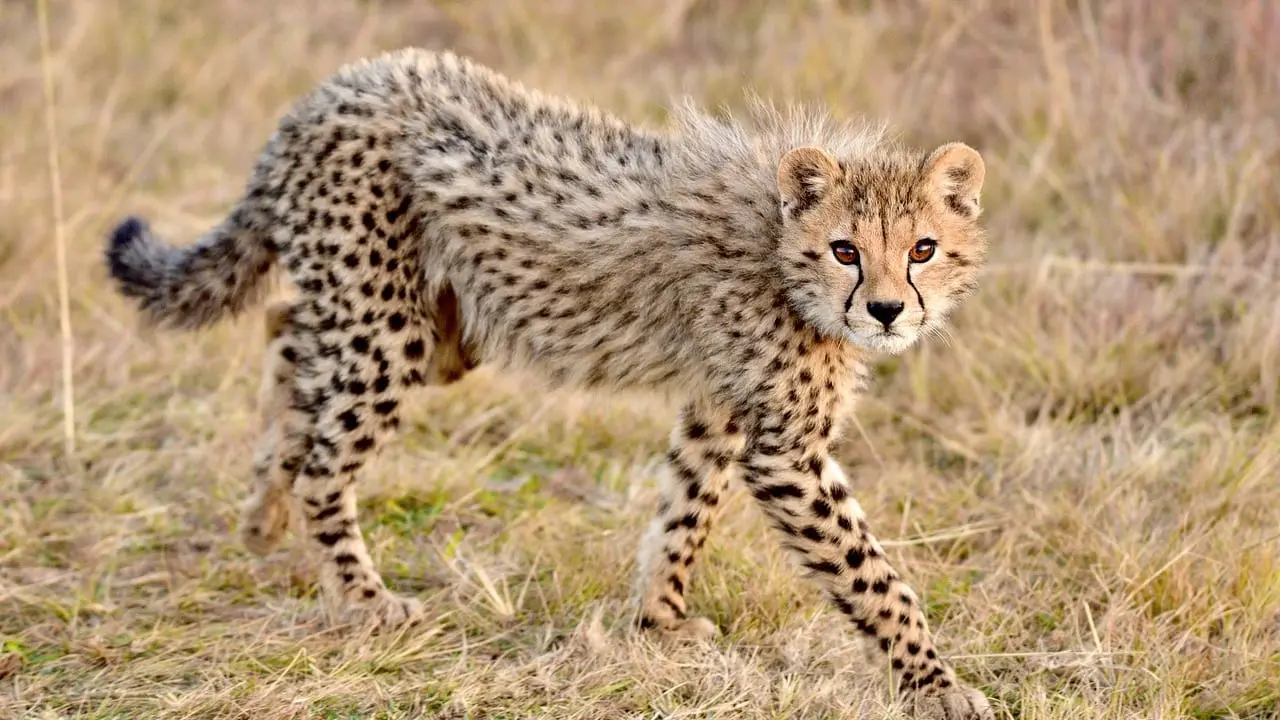
Cubs seized from traffickers arrive dehydrated and days from death. The safe house in Somaliland gives them vets, milk and a future, and has taken in more than a hundred since 2011.
Where your
miles go
Cheetahs don't die of slowness. They die of shrinking land, of farmers protecting their herds and of a pet trade that empties the Horn of Africa of cubs. Every pound you raise pays for the four things that turn that around.
Guardian dogs
An Anatolian shepherd raised with the herd cuts livestock losses by 80% or more. When the goats stop dying, the cheetahs stop being shot. One dog protects one farm for a decade.
GPS collars
A collar turns a rumour into a route. It shows which farms a cheetah crosses, where she raises her cubs and where the next corridor has to be, so land is protected where cheetahs actually go.
Community scouts
Local people, trained and paid, who count cheetahs, settle disputes over lost goats and raise the alarm when a cub goes missing. 77% of cheetah range lies outside any park. The scouts are the park.
The cub safe house
Cubs seized from traffickers arrive dehydrated and days from death. The safe house in Somaliland gives them vets, milk and a future, and has taken in more than a hundred since 2011.
Which works best for you?
Five quick questions and we'll point you at the way in that fits your legs, your diary and your wallet. Or skip them and choose for yourself below.
Three ways in
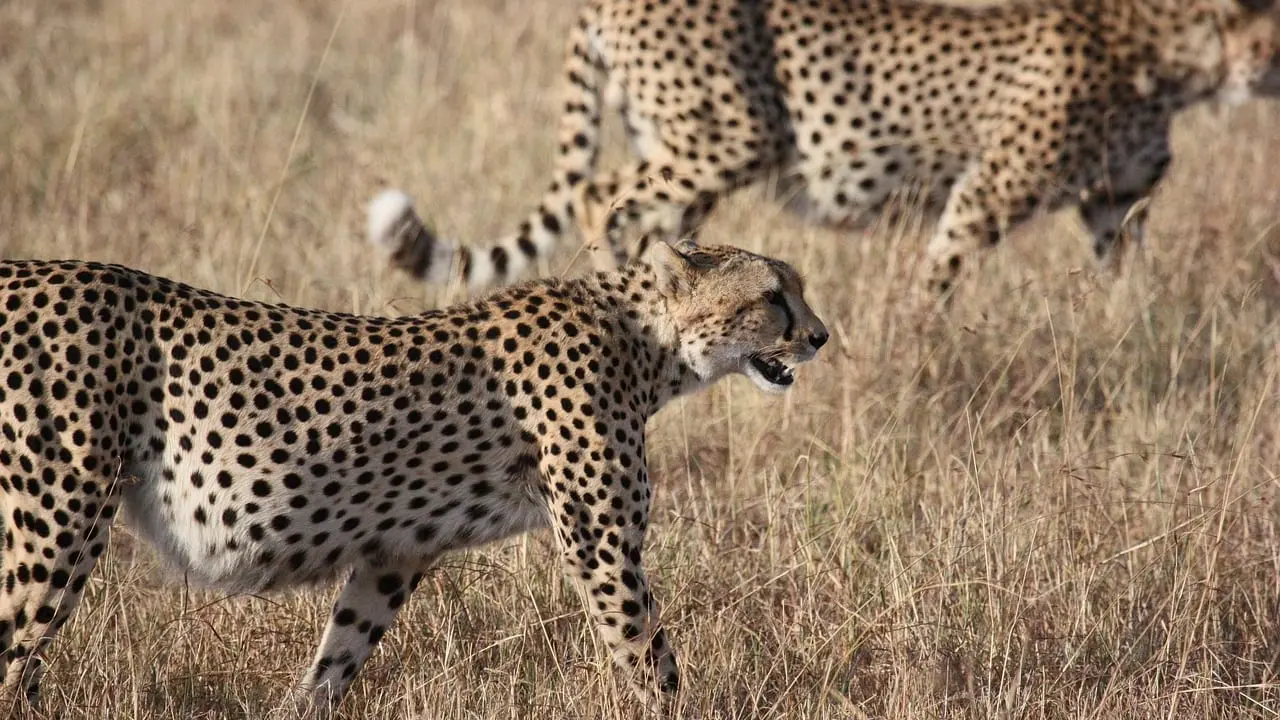
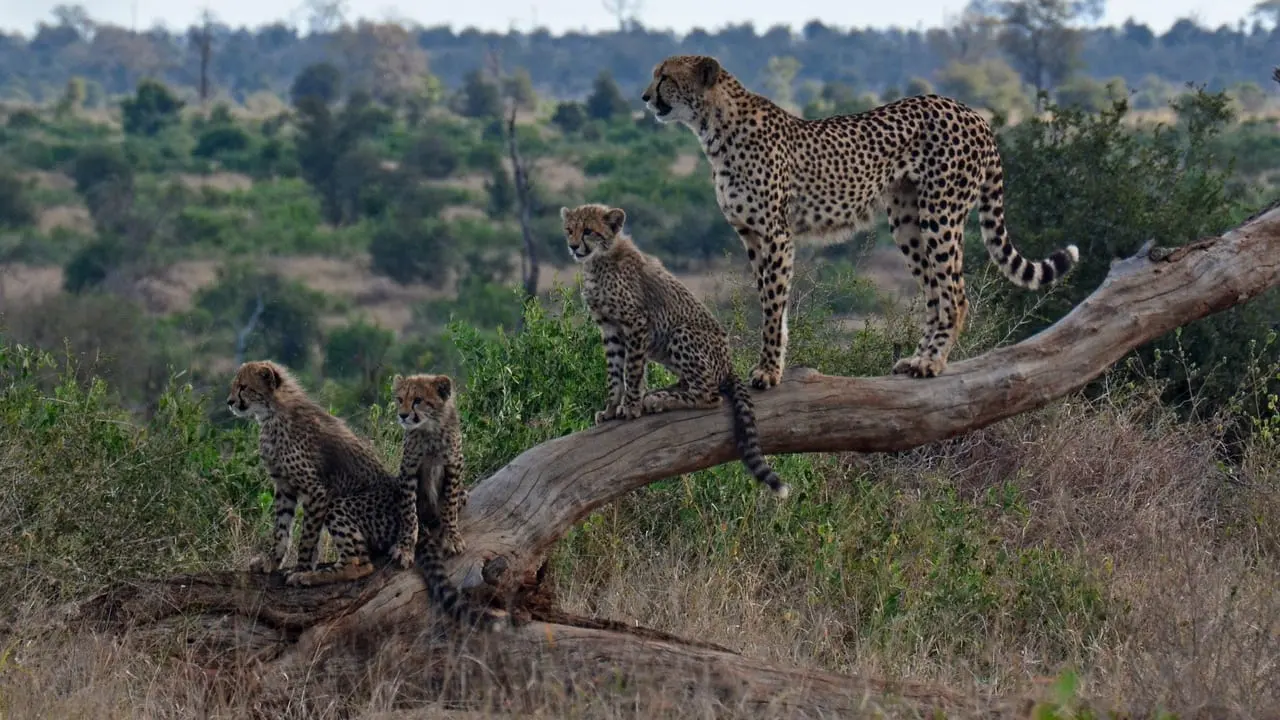
Female cheetahs hunt alone and raise every cub alone. Solo is for you if you'd rather do the same: one entry, one distance, your own pace and a fundraising page with your name on it. Pick the 5K or the 10K, pick a city, and we'll send a training plan built around the date.





On the
day

The 5K
One lap of the flattest, fastest route in the city, chip-timed, with a pacer for every finish from twenty minutes to forty. Walkers welcome. Prams welcome.

The 10K
Two laps for people who like a number to beat. Chip-timed, pacers from forty minutes to seventy, and water every two and a half kilometres.

Race the cheetah
A hundred metres against a strip of light doing sixty miles an hour. Nobody wins. Everyone has a go.

The finish
A medal cast from a cheetah's footprint at full sprint, a photo as you cross, and a live total on the big screen that climbs every time someone does.
In your
kit bag

Your fundraising page
Set up in the time it takes to lace a shoe. Gift Aid on, target on, link ready to share, and every pound shown against the thing it paid for.

The training plan
Eight weeks from sofa to 5K, or from 5K to a 10K you're proud of, written by a running coach and sent every Monday morning.
Know your
cheetah
Nought to sixty in three seconds
Quicker off the line than most cars, thanks to a spine that flexes like a bow, a tail that steers and claws that grip like running spikes.
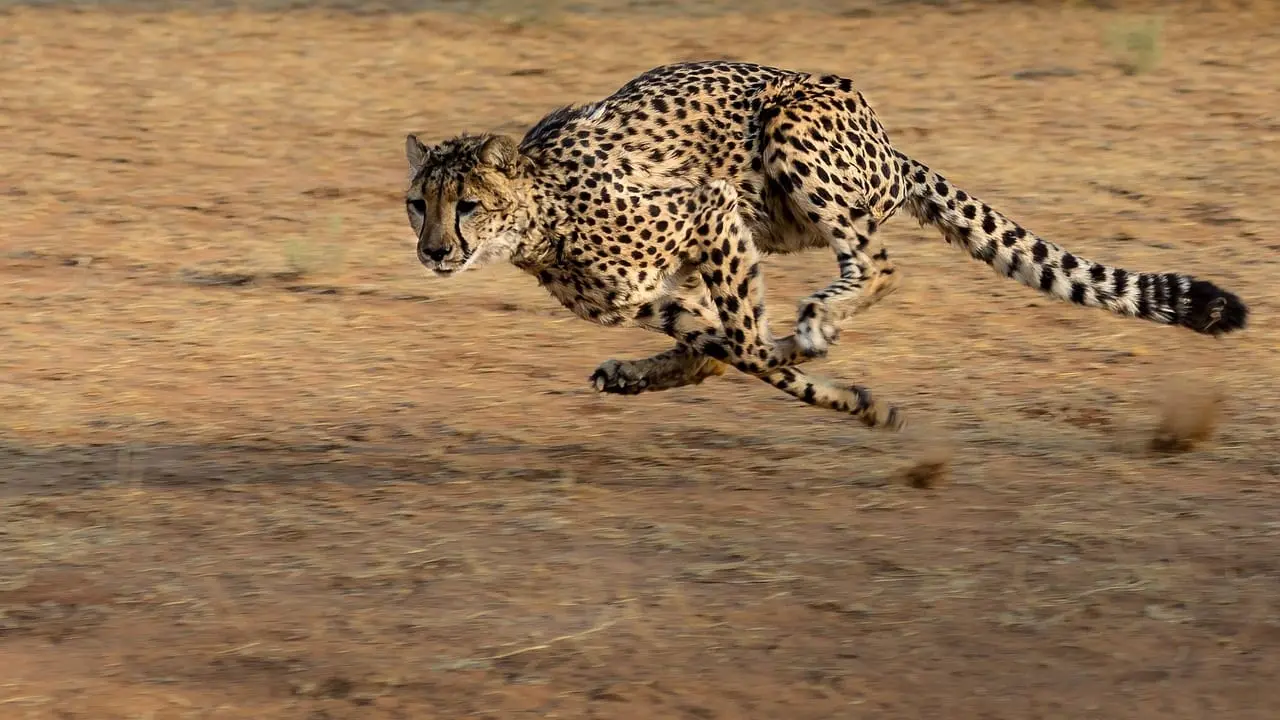
Seven metres a stride
At full stretch a cheetah covers seven metres in one stride and is airborne for half of it. The sprint lasts about twenty seconds. Then it needs a sit-down.
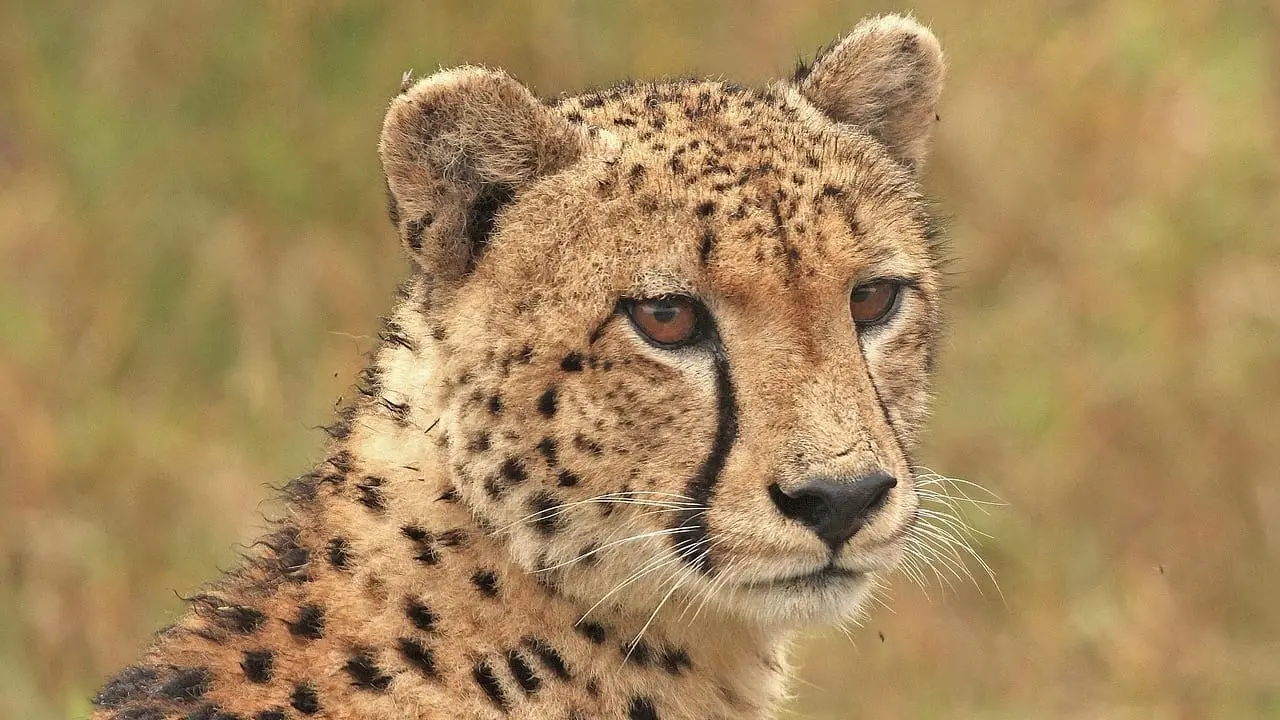
The tear marks
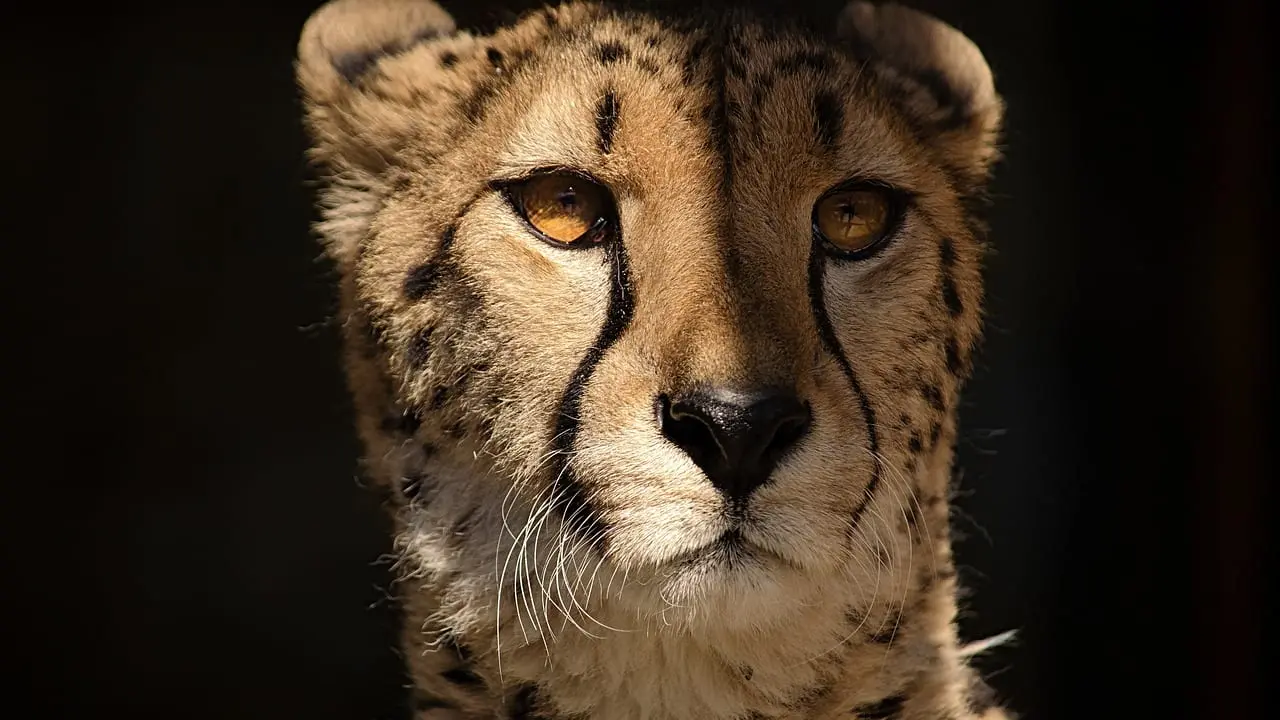
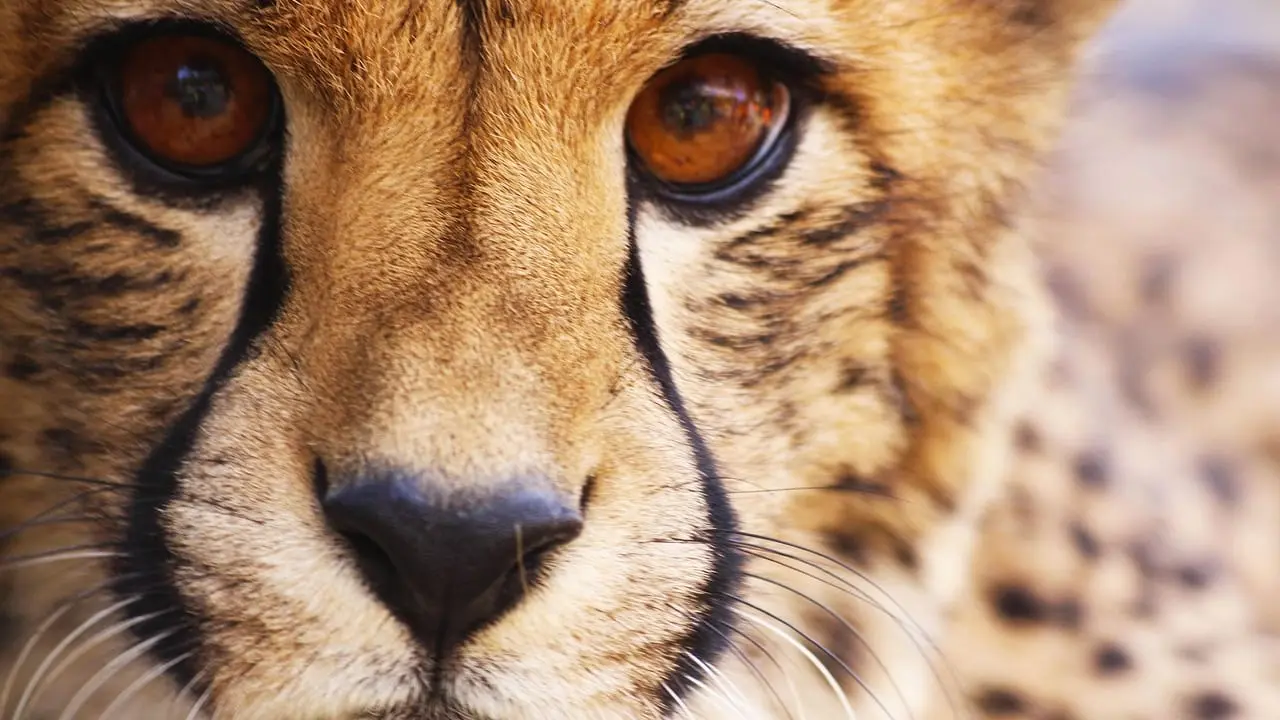
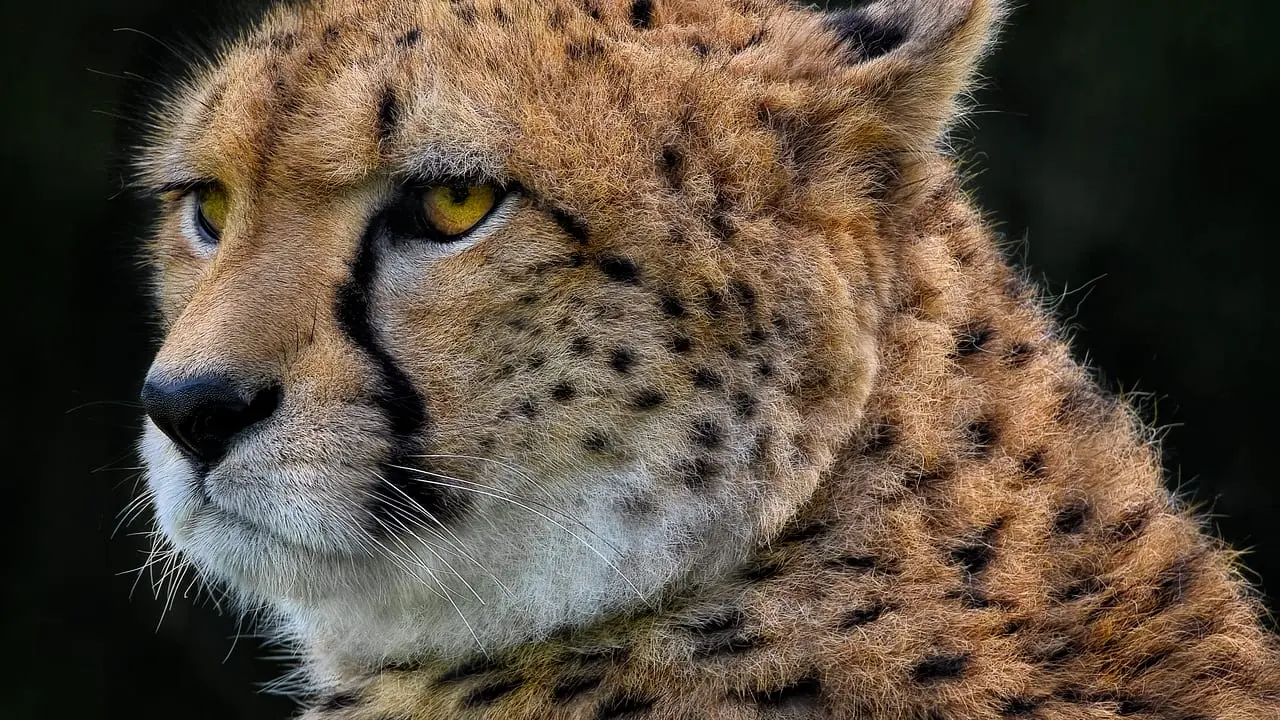
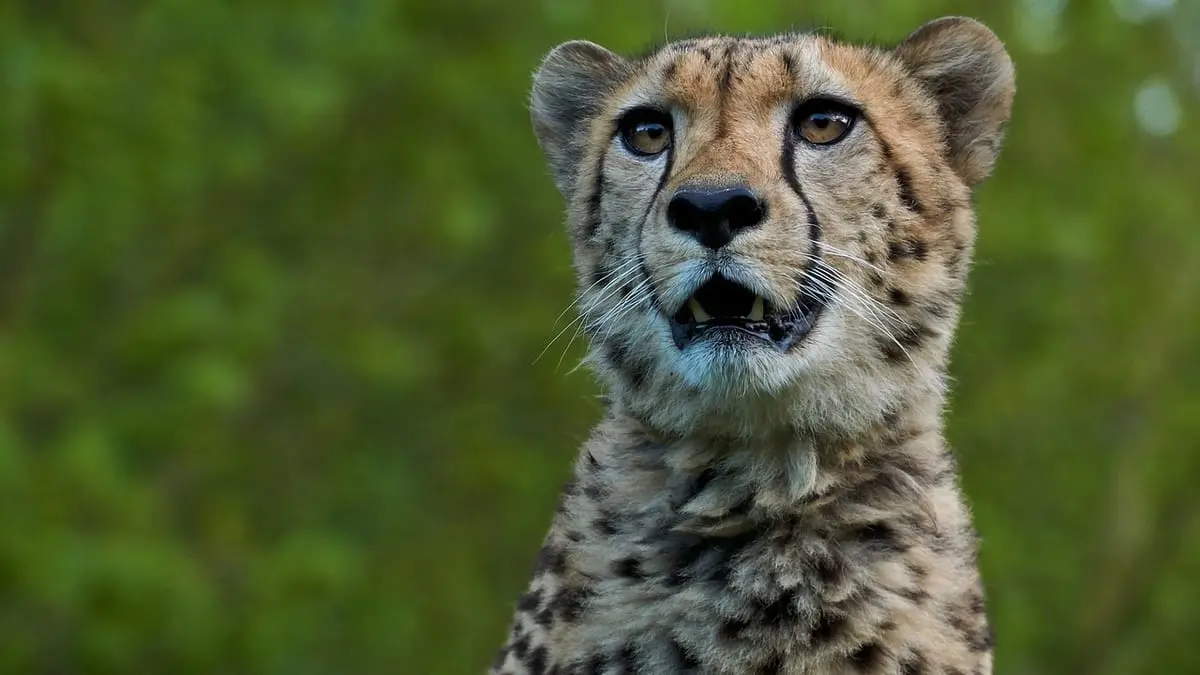
The black lines from eye to mouth are thought to cut the glare of the midday sun, so the cheetah can hunt while the lions sleep.
The cat that can't roar
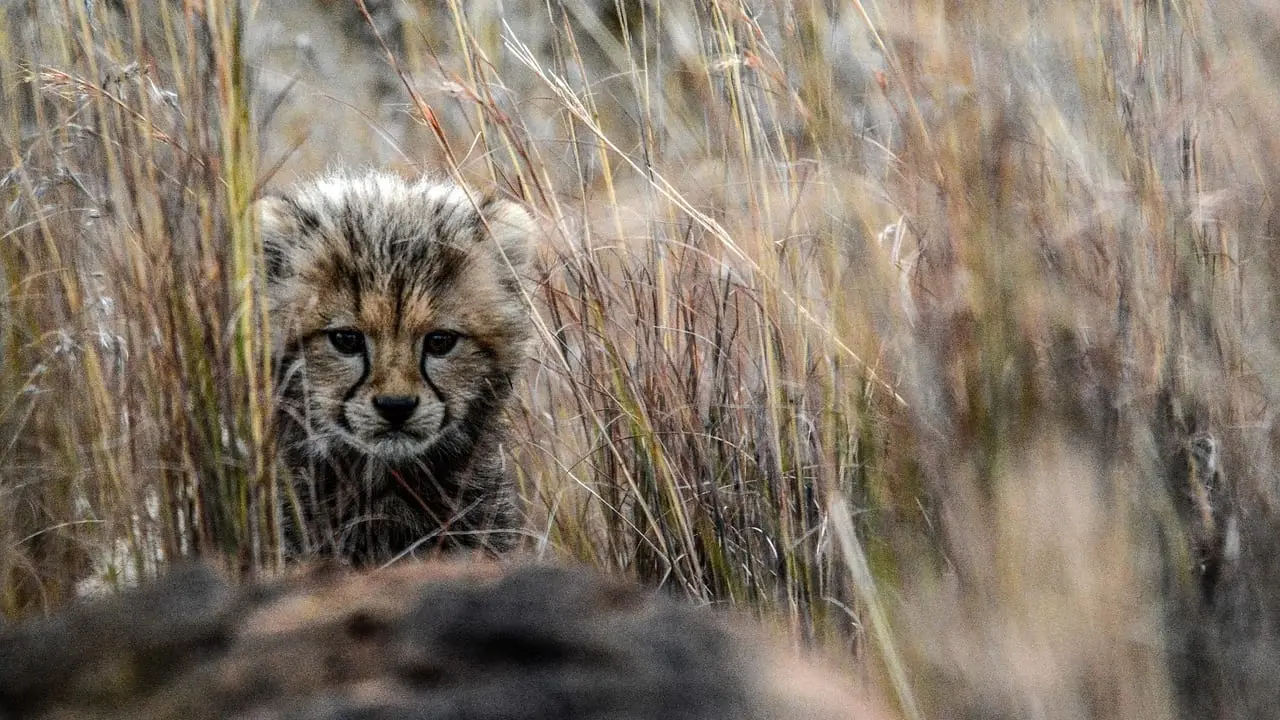
Cheetahs chirp, purr and yelp. A mother calls her cubs with a chirp so bird-like that people walk straight past it.
One species, four subspecies
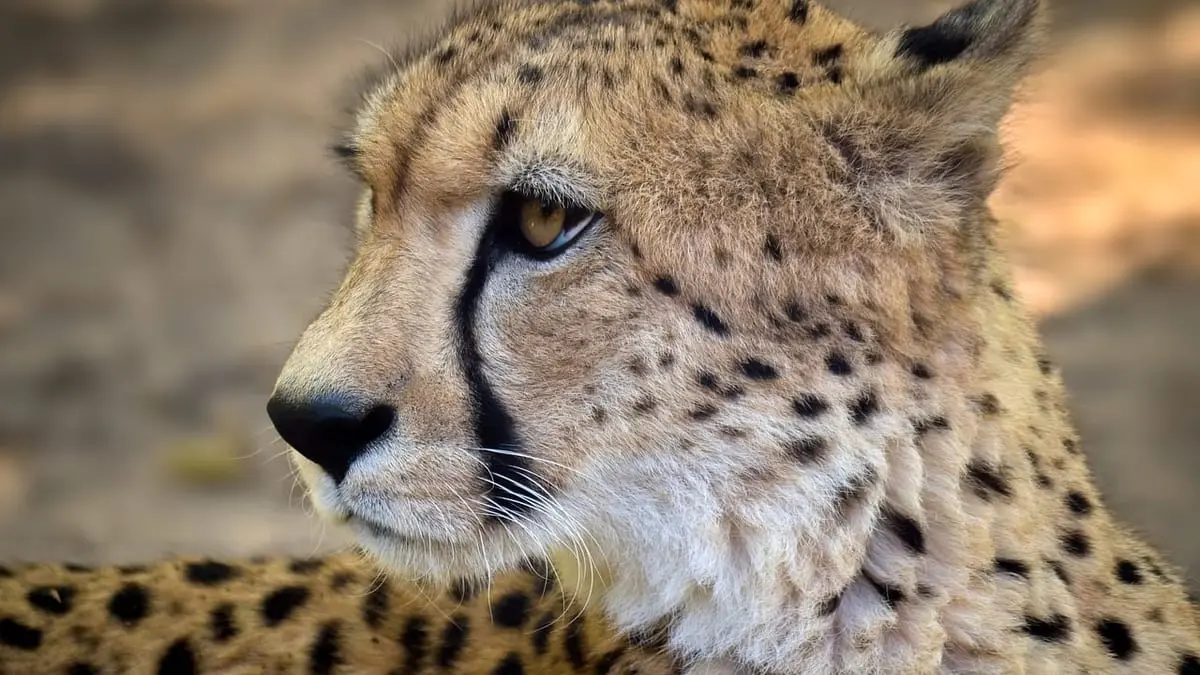
Southern and eastern Africa hold nearly all of them. The Saharan cheetah is down to a few hundred. The Asiatic cheetah, fewer than fifty, all in Iran.
India got its cheetahs back
India's last cheetahs were shot in 1947. Since 2022 it has released Namibian and South African cheetahs into Kuno National Park. Some died. Cubs were born. Recovery is possible, just slower than a cheetah.
Spread the word
Download the stills, share the film and tag #OutrunExtinction. Every share is another pair of feet on the start line. New footage from the field lands here right up to race day.